Uttarakhand tourism
Incredible Uttarakhand
The Land of Gods
First and main important reason is that in the Vedas or Puranas Uttarakhand name was mentioned as Dev Bhoomi and it is divided into two parts Kedar Khand and Manas Khand (Currently which are Garhwal and Kumaon region).
Uttarakhand, a state in northern India crossed by the Himalayas, is known for its Hindu pilgrimage sites. Rishikesh, a major centre for yoga study, was made famous by the Beatles’ 1968 visit. The city hosts the evening Ganga Aarti, a spiritual gathering on the sacred Ganges River. The state’s forested Jim Corbett National Park shelters Bengal tigers and other native wildlife.Rig Veda, the most ancient of the scriptures says, ‘there is no happiness for him who does not travel. The fortune of him who is sitting sits, it rises when he rises, it sleeps when he sleeps, it moves when he moves. Therefore, Wander
There are many more sacred places and temples in Uttarakhand which gives a clear idea about Why this place is known as Land of God or Why we called it Dev Bhoomi…
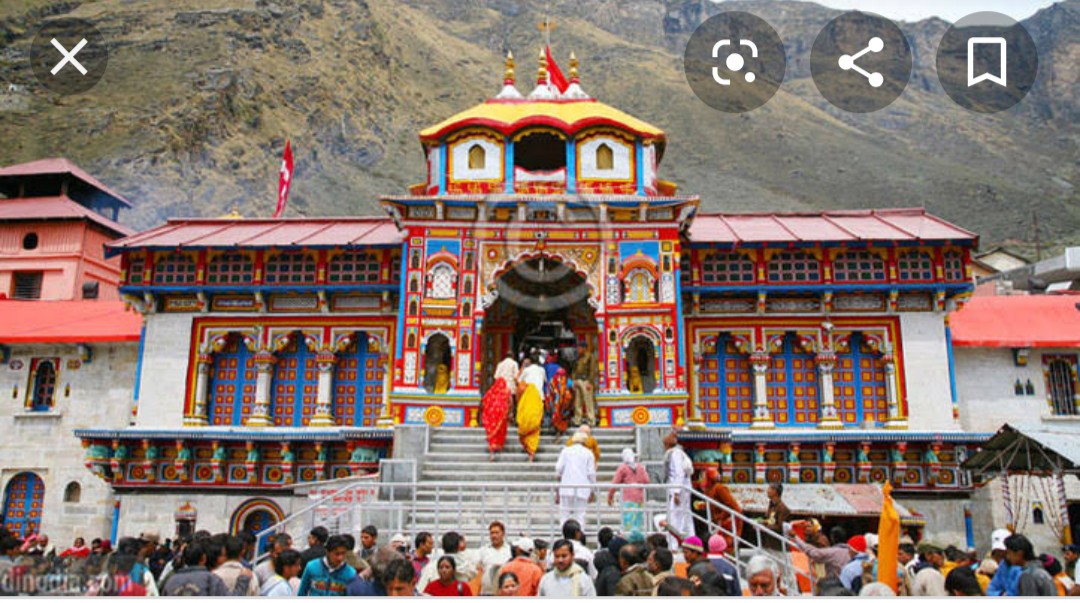
Badrinath Temple
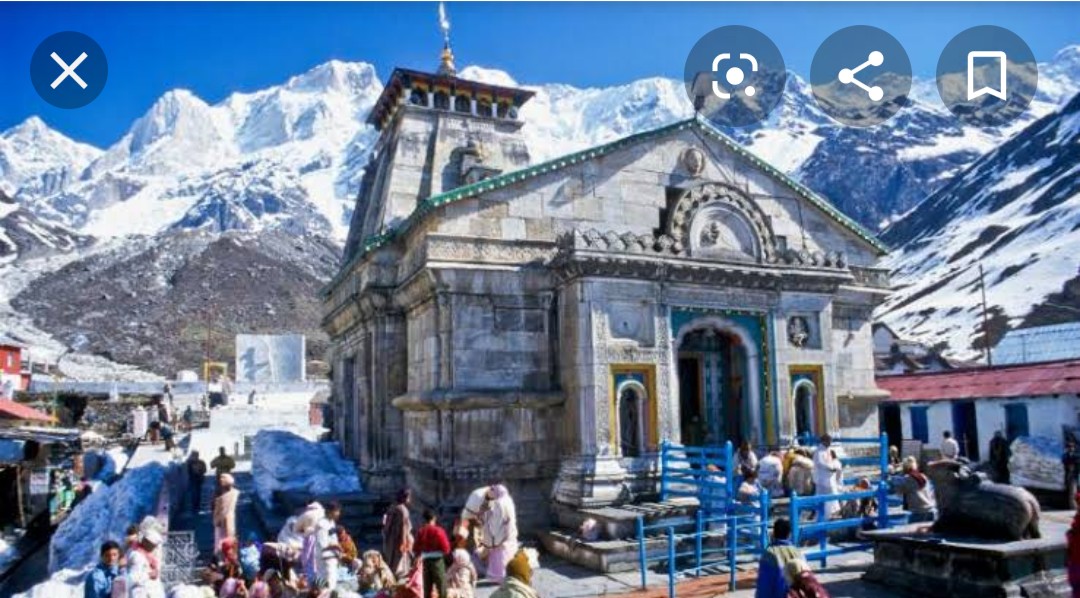
Kedarnath temple
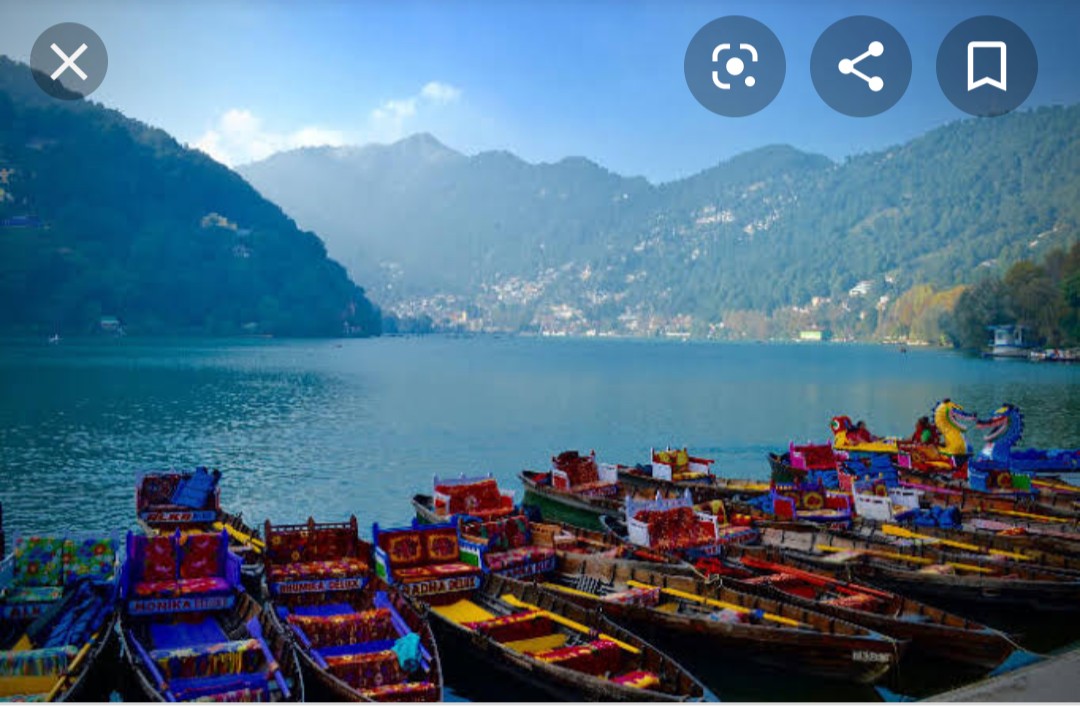
Nainital
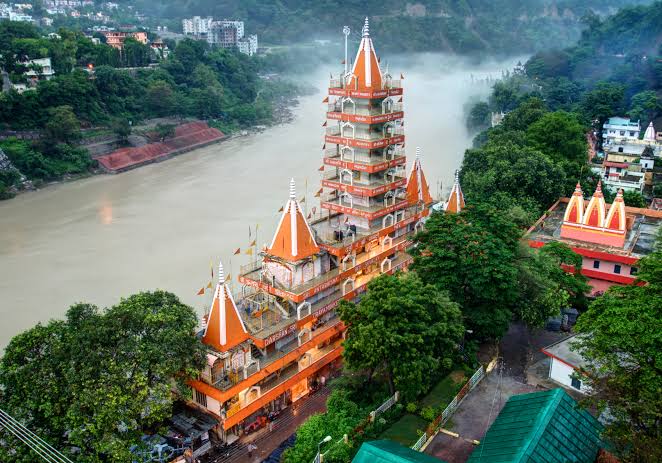
Rishikesh
Mussoorie
Almora
Nainital:
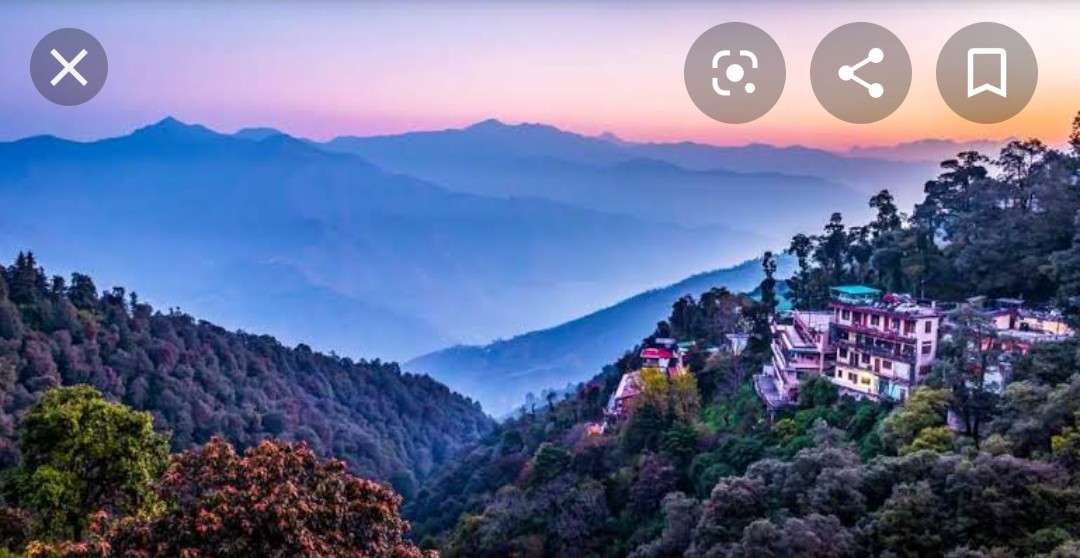
Once known as “the Lake District”, Nainital is a ravishingly beautiful and serene hill station set amidst seven hills of Kumaon. Nainital best represents the Himalayan charm and is blessed with an awe inspiring view of high mountains and as many as 60 Lakes. It is the abode of lakes with emerald settings, the British colonial architecture, adventure and recreational activities doubles its appeal. The scenic places also worth a visit are Naukuchiya Tal, Mukteshwar, Sat Tal, Dorothy’s Seat (Tiffin Top), Naini Lake, Mall Road, Hanuman Garhi, Astronomical Observatory etc.
Mussoorie:
To add to the romantic surroundings, besides the city flows the Koshi (Kaushaki) and Suyal (Salmali) rivers. Public Museum, Nanda Devi Temple, Chetai Temple Katarmal, Bright End Corner, and Simtola are the other key tourist attractions of this place.
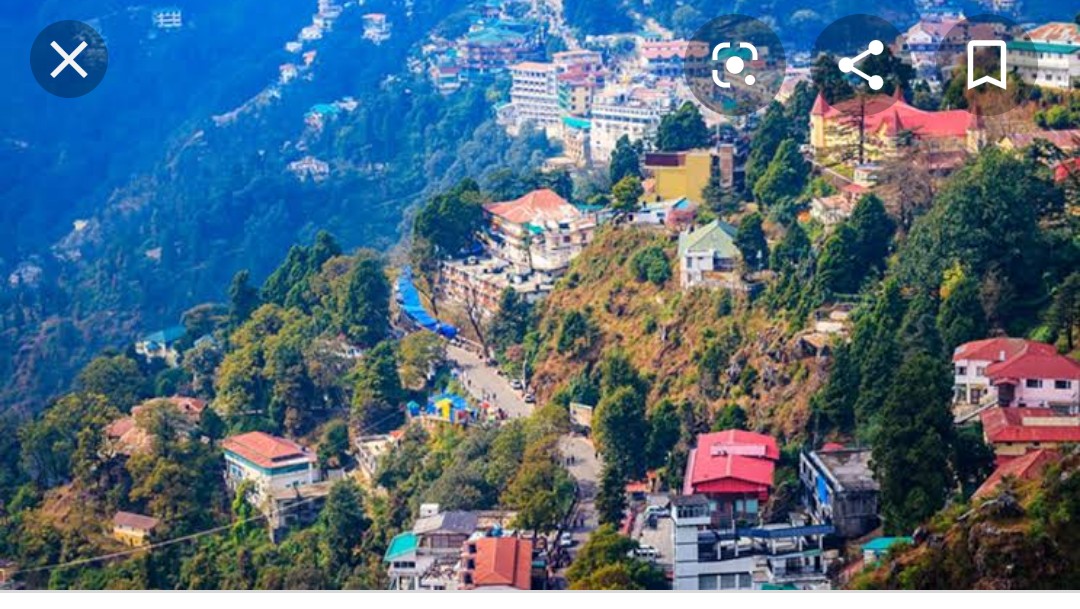
Some rugged forts, tranquil temples and picturesque valleys compose the lyrical side of Almora.
“The queen of hill stations”, Mussoorie, located in the Garhwal hills, is famous for its natural serenity and scenic background. The name, Mussoorie, is consequential from plants of ‘Mussoorie’ which were then found in plenty here. Over the years, this hill station progressively developed as a center of education, business and tourism. Blessed by the abundance of natural charms like wild streams, waterfalls, pleasant climate and verdant woods make it an ideal no-stress vacation spot. The popular spots include lively shopping malls, manicured gardens, and modern architecture, Tibetan Temple, Lake Mist, Mussoorie Lake, Municipal Gardens, Gun Hill, Kempty Fall, Nag Devta Temple, Van Chetna Kendra and Jwalaji Temple (Benog Hill). Mussoorie is considered as Nainital’s best cousin to hang out. The contemporary architecture quite in disparity with the wild setting is the genuine call of this place.
Rishikesh:
A gateway to Himalayas, Rishikesh not only offers spiritual solace but also a perfect summer retreat. It is part of the religious circuit covering Haridwar and Mukteshwar, two other significant places, Rishikesh offers a proximity to the holy Ganges. If the feral force of the water doesn’t jolt you and you find taming the unstoppable irresistible then Rishikesh should be your call this summer. River rafting sessions and beach volleyball near the campsites by the Ganges are the most favorite activity of the visitors at Rishikesh. A moonlit bed of sand by the waterway as illumined as the moon makes a wonderful escapade from the summer in the cities.
Almora:
A place covered in snow during winter, and an ideal site to trace the remnants of the snow, Almora is blessed by Mother Nature with her immaculate love with serene solitude surroundings. One of the most exquisite places in Kumaon region of Uttarakhand, Almora is a fantastic spot for nature lovers and seekers of isolation unlike the glamour and glitter of Nainital. Almora’s scenic beauty remains to this day unspoilt. You will find here the strong forts, quaint old-world monuments and spectacular palaces built by the rulers of Chandravansh and Katyuri dynasty.
Nanda Devi Raj Jat
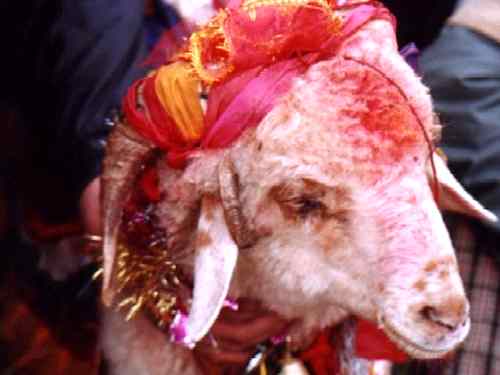
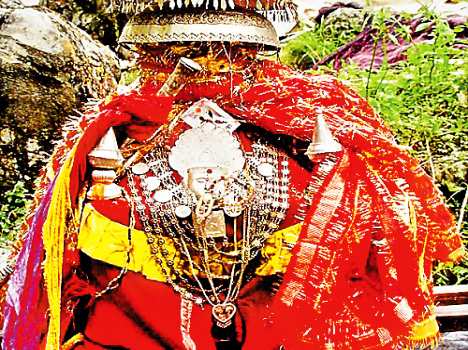
Jump to navigationJump to searchNanda Devi Raj JaatAfter the havan – yagna is over, the sheep is freed with decorated ornaments, food and clothing’s, and the other offerings are discardedAlso calledDeepavaliObserved byHindus,TypeCultural, Seasonal, ReligiousCelebrationsIn Chamoli, Nanda Devi Raj Jaat is organized once in 12 years.DateVaries per Hindu Lunisolar calendarRelated toKali Puja,The three-week-long Nanda Devi Raj Jat is a pilgrimage and festival of Uttarakhand in India.[1] People from the entire Garhwal division–Kumaon division as well as other parts of India and the world participate in Nanda Devi Raj Jat yatra[2] The goddess Nanda Devi is worshipped at dozens of places in kumaon and Garhwal, but the region around Mt. Nanda Devi and its sanctuary, which falls in the Pithoragarh district, Almora district and Chamoli district, is the prime area related to Nanda Devi. In Chamoli, Nanda Devi Raj Jaat is organized once in 12 years. The Jaat (meaning Yatra or pilgrimage) starts from kansuwa village near Karnprayag and goes up to the heights of Roopkund and Homekund with a four horned sheep. After the havan – yagna is over, the sheep is freed with decorated ornaments, food and clothings, and the other offerings are discarded.
An annual Nanda Jaat is also celebrated. The Raj Jaat procession goes through villages, where there is a recognized Nanda Devi temple. At Koti, a night halt of the participants takes place where a night-long worship and celebrations take place.
 incredibleuktourism.blogspot.com
